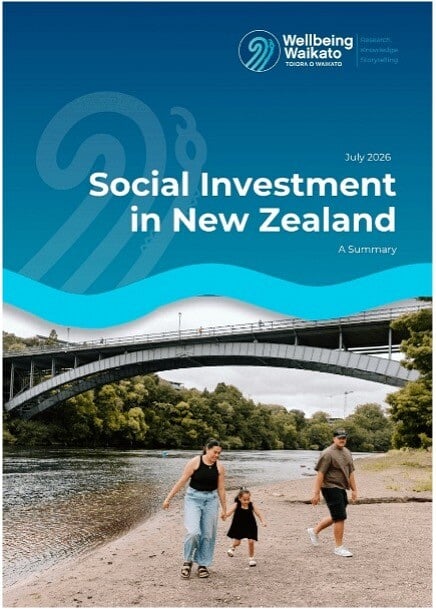
Our July report, Social Investment in New Zealand: A Summary, examined the emerging social investment approach in Aotearoa and some of the opportunities and challenges it presents. It argued for an approach that is grounded in place, informed by evidence and lived experience, and focused on the outcomes that matter to people and whānau.
For Wellbeing Waikato, the opportunity is to explore what a genuinely place-based approach might look like in practice.
A shared understanding of local needs and aspirations could help coordinate resources and effort beyond individual programmes and organisational boundaries. We are interested in how iwi, community organisations, service providers, funders, local government and central government might work together to build that understanding.
Homelessness and housing insecurity in Hamilton's central city are a potential focus. Multiple services and agencies are involved, with many excellent services already in place and high levels of goodwill. Yet the experiences of individuals and whānau can differ sharply from the way systems are designed to respond.
With Trust Waikato, we have begun bringing together a small Waikato reference group to help explore the opportunity and consider what a practical demonstration of social investment might involve.
Later this month, we will meet with senior representatives of the Social Investment Agency and the Social Investment Board in Wellington to discuss the potential for a place-based Waikato approach and how it might complement the wider national direction.
We see this as an opportunity to contribute a regional perspective to an important national conversation – one that recognises the value of data and evidence, but also the importance of relationships, local knowledge and the voices of people directly affected.
How could social investment work best in the Waikato—and where is it already working? If you have ideas or examples to share, or would like to join the conversation, please get in touch.
