The Waikato Affordable Energy Challenge
The Waikato Affordable Energy Challenge
Energy is the fundamental concept—it means the capacity to do work or make things happen—and in New Zealand we see it in many forms, from the stored water behind hydro dams on the Waikato River, to geothermal heat in places like Taupō, to the chemical energy in petrol or batteries.
Electricity is just one form of energy and the main way we move it around: when water flows through turbines at hydro stations such as Huntly Power Station or Karapiro Dam, that stored energy is converted into electricity and sent through the grid to homes and businesses.
When you switch on a light, the electricity isn’t what you see—the glow is the energy being transformed into light (and some heat) inside the bulb or LED. In simple terms, energy is the “capacity,” while electricity is one of the most useful ways we convert and deliver that capacity into the everyday services we rely on.
In any modern society—including New Zealand—electricity sits at the heart of the entire energy system because it is the most efficient, flexible and scalable way to deliver energy where and when it’s needed. It powers hospitals, schools, communications, water systems, industry and increasingly transport, linking everything from generation through to daily life via the national grid operated by Transpower.
As we electrify more of the economy—shifting from fossil fuels to renewable sources like hydro, wind and geothermal—electricity becomes even more central to economic productivity, public wellbeing and environmental performance.
That’s why it must be reliable (available whenever people need it), affordable (so households and businesses can participate fully in society), and sustainable (so it supports long-term environmental and economic stability). Achieving all three of these requirement together is difficult and requires some trade-offs. The intersection of them is what Scott Tinker calls the “radical middle”.
Without a strong, resilient electricity system, the essential services and connections that define a modern society simply cannot function effectively.
Along with housing and food, electricity affordability is increasingly becoming an issue for many households, communities, businesses. Whanau are making difficult trade-offs between heating and lighting their homes and food, rent and transport costs. Businesses are downsizing, offshoring or closing completely.
Data from MBIE shows that real (after inflation) residential electricity costs have increased by 230% over the past 50 years. Before the Iran conflict, this was more than 3 times the rate of inflation in 91 grade petrol costs. In a country which is both energy (and electricity) rich and able to produce more than 85% of its electricity sustainably this seems deeply paradoxical and problematic.
Wellbeing Waikato wants to explore more deeply how electricity affordability affects wellbeing for people in the Waikato. As with our other work, we will explore this mainly from the perspective of the household/whanau, but we also want to better understand how electricity affordability affects businesses.
Waikato Affordable Energy Webinar Series:
June to November 2026
This webinar series is designed to cut through the complexity—building a clear, practical understanding of how the electricity system works, what drives reliability, sustainability and affordability, and what a more affordable and abundant future could look like. Across the series, speakers will explore key questions:
1. How does the electricity system actually work—and why is it designed this way?
2. What drives power prices, and how could they be made more affordable?
3. How does energy affordability affect household and community wellbeing?
4. What would a better system look like—and how do we get there?
The full speaker lineup for the series is below. Contributors will bring a range of perspectives from across the sector. We do not expect complete agreement—and that is deliberate. This series is intended to surface different views on both the challenges and the solutions.
Webinars will be held on Wednesdays at 11am- see the dates below:
10 June: Geoff Bertram, Economist and Academic
24 June: Rachel Afeaki, Chair: WEL Energy Trust
8 July: Mike Casey, CEO: Rewiring Aotearoa
15 July: Graham Campbell, Pippa Player: Te Waihanga | The New Zealand Infrastructure Commission
22 July: Jonathan Kay, Chair: Waipa Networks
5 August: Manu Barrett, CEO: Solar Sense Ltd
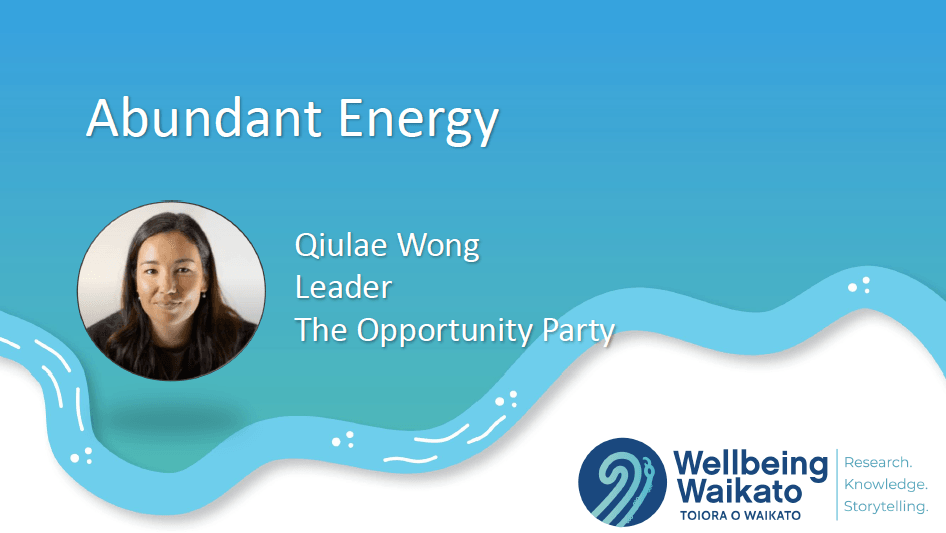
19 August: Qiulae Wong, Leader: The Opportunity Party
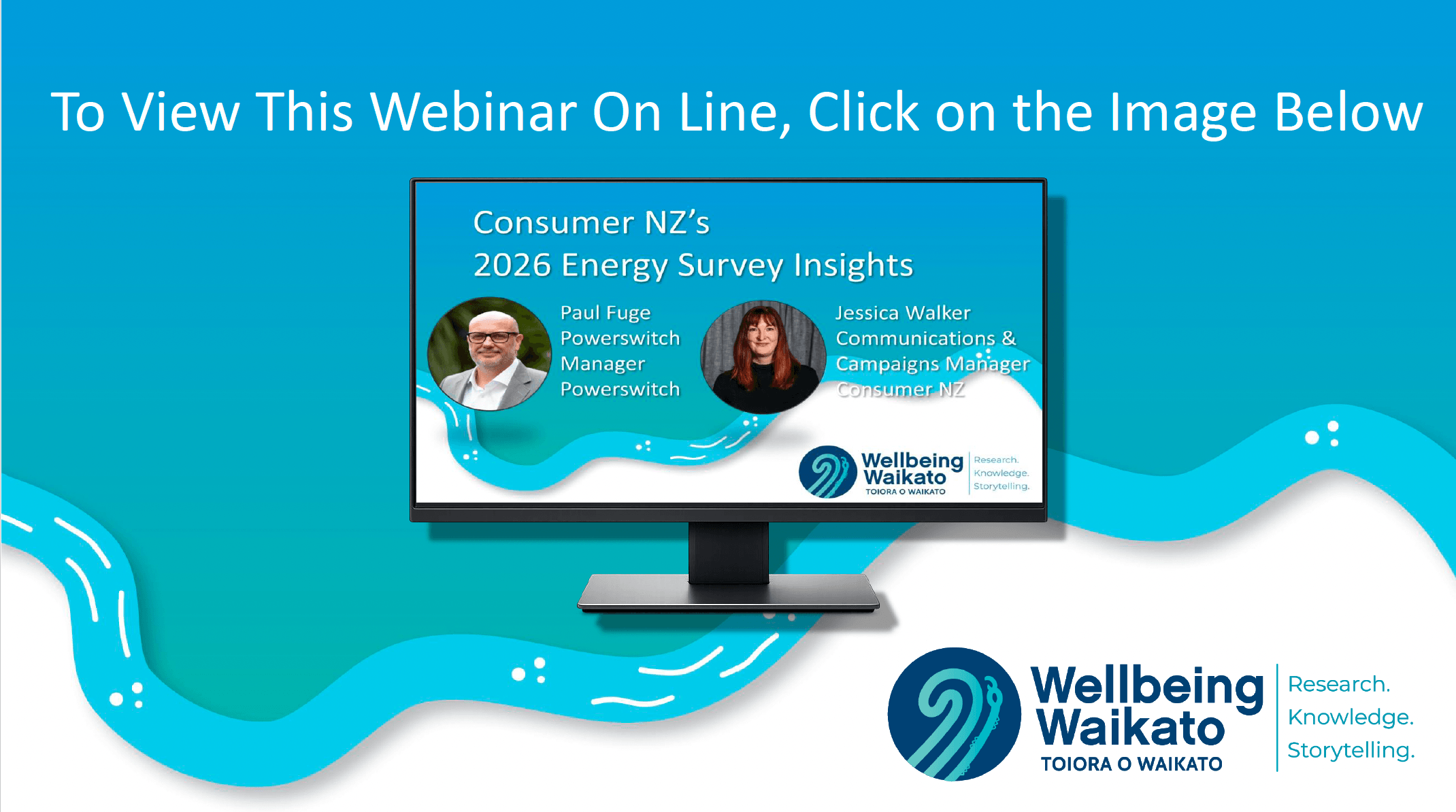
26 August: Paul Fuge, Jess Wilson: Consumer NZ
2 September: Simon Bridges, CEO: Auckland Chamber of Commerce
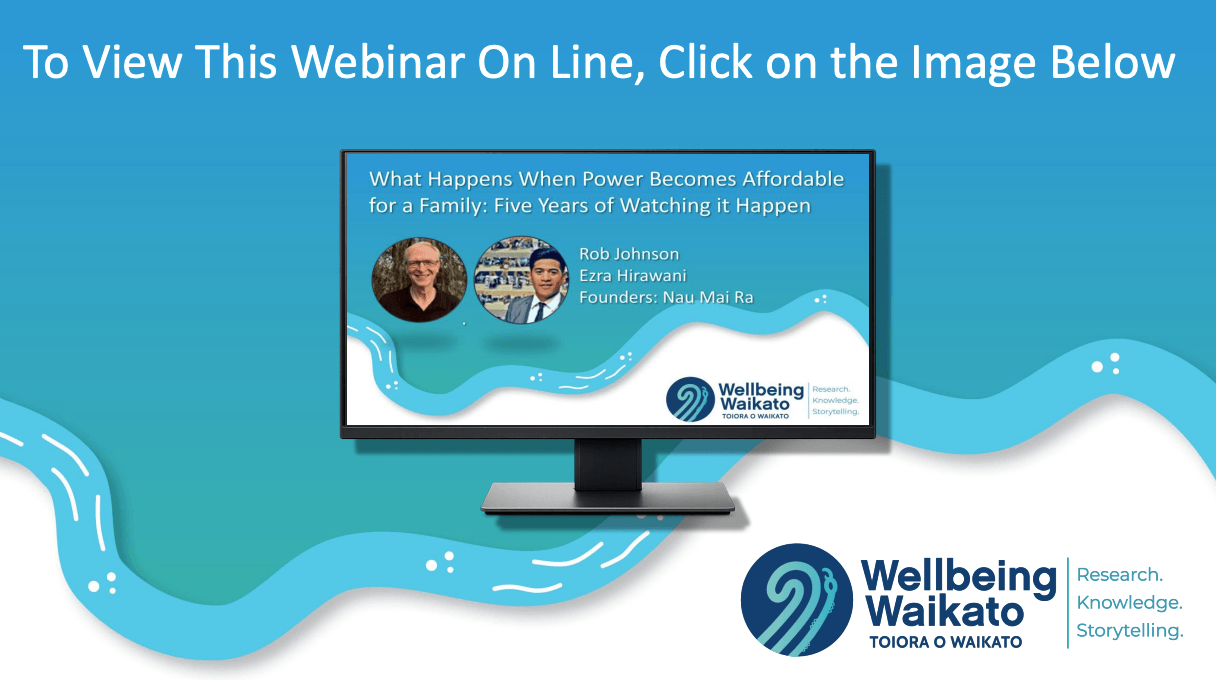
16 September: Rob Johnson, Ezra Hirawani, Founders: Nau Mai Ra
23 September: John Campbell, Our Energy
30 September: Kelli Pike, Activator for Community Led Zero Waste: GoEco
7 October: Larry Blair
14 October: Gareth Cartwright, Executive Officer: Community Energy Network
21 October: Stew Hamilton, CEO of Mercury NZ
28 October: David Wilson, Member of Parliament: New Zealand First
4 November: Blair Dickie, Principal Strategic Advisor: Waikato Regional Council
All events will be streamed live and hosted by Harvey Brookes (Executive Director, Wellbeing Waikato) and Ernie Newman (Independent Competition Consultant).You are welcome to join individual sessions or follow the full series.All presentations will be recorded and made available here on our website.
At the conclusion of the series, we will prepare a synthesis report which brings together insights from the16+ speakers and organisations across the electricity system, policy, infrastructure, research, advocacy, business and community wellbeing.
The report will integrate these diverse perspectives into a coherent, accessible summary of what the series has revealed about electricity affordability in Waikato and Aotearoa New Zealand. It will help readers understand how the current system operates, why prices and pressures are changing, how energy costs affect households, communities and businesses, and what kinds of changes could support a fairer, more reliable and more affordable energy future.
Rather than presenting a single predetermined answer, the report will identify the strongest recurring themes, areas of agreement, important points of disagreement, and the practical choices decision-makers need to weigh. Its purpose it will be to make a complex and contested issue easier to understand, and to provide a well-informed basis for the next stage of conversation and action.
Webinar 10 June: Geoff Bertram
What’s Wrong with the New Zealand Electricity Market?Webinar Recording
Webinar 10 June: Geoff Bertram
What’s Wrong with the New Zealand Electricity Market?Slide Deck
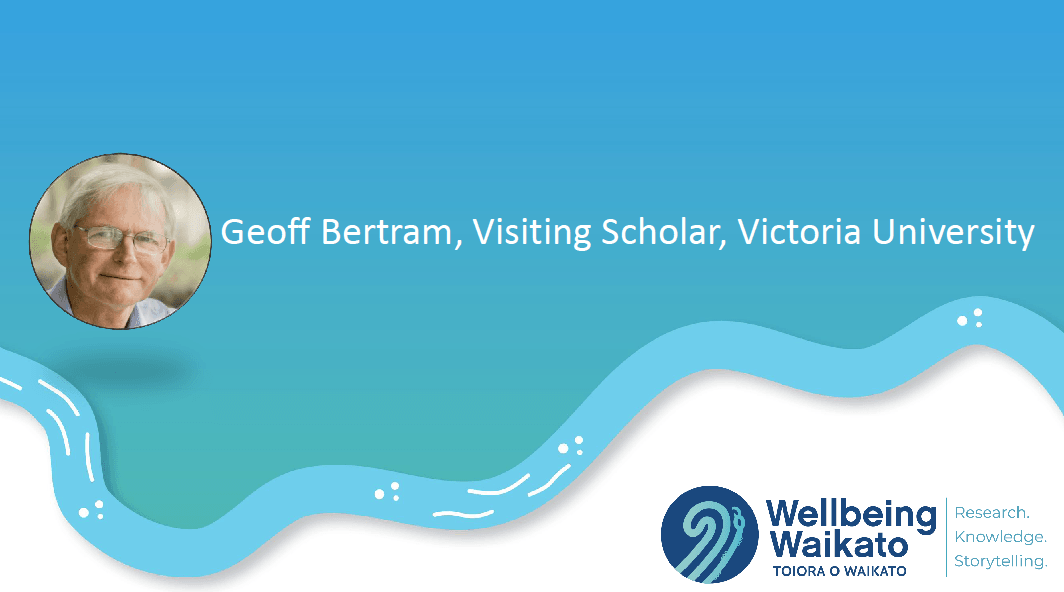
Webinar 24 June: Rachel Afeaki, Chair, WEL Energy Trust
Powering Regional Community Wellbeing: How Energy Value Creates Lasting Impact
Webinar Recording
Webinar 24 June: Rachel Afeaki, Chair, WEL Energy Trust
Powering Regional Community Wellbeing: How Energy Value Creates Lasting Impact
Slide Deck
Webinar 8 July: Matt Newman, Rewiring Aotearoa
New Zealand Made Energy
Webinar Recording
Webinar 15 July: NZ Infrastructure Commission
Graham Campbell & Pippa Player
Webinar Recording
Webinar 15 July: NZ Infrastructure Commission
Graham Campbell & Pippa Player
Slide Deck
Webinar 22 July: Jonathan Kay
Webinar Recording
Webinar 5 August: Manu Barrett
Webinar Recording
Webinar 19 August: Qiulae Wong, Leader: The Opportunity Party
Webinar Recording
Webinar 26 August: Consumer NZ, Paul Fuge and Jessica Walker
Webinar Recording
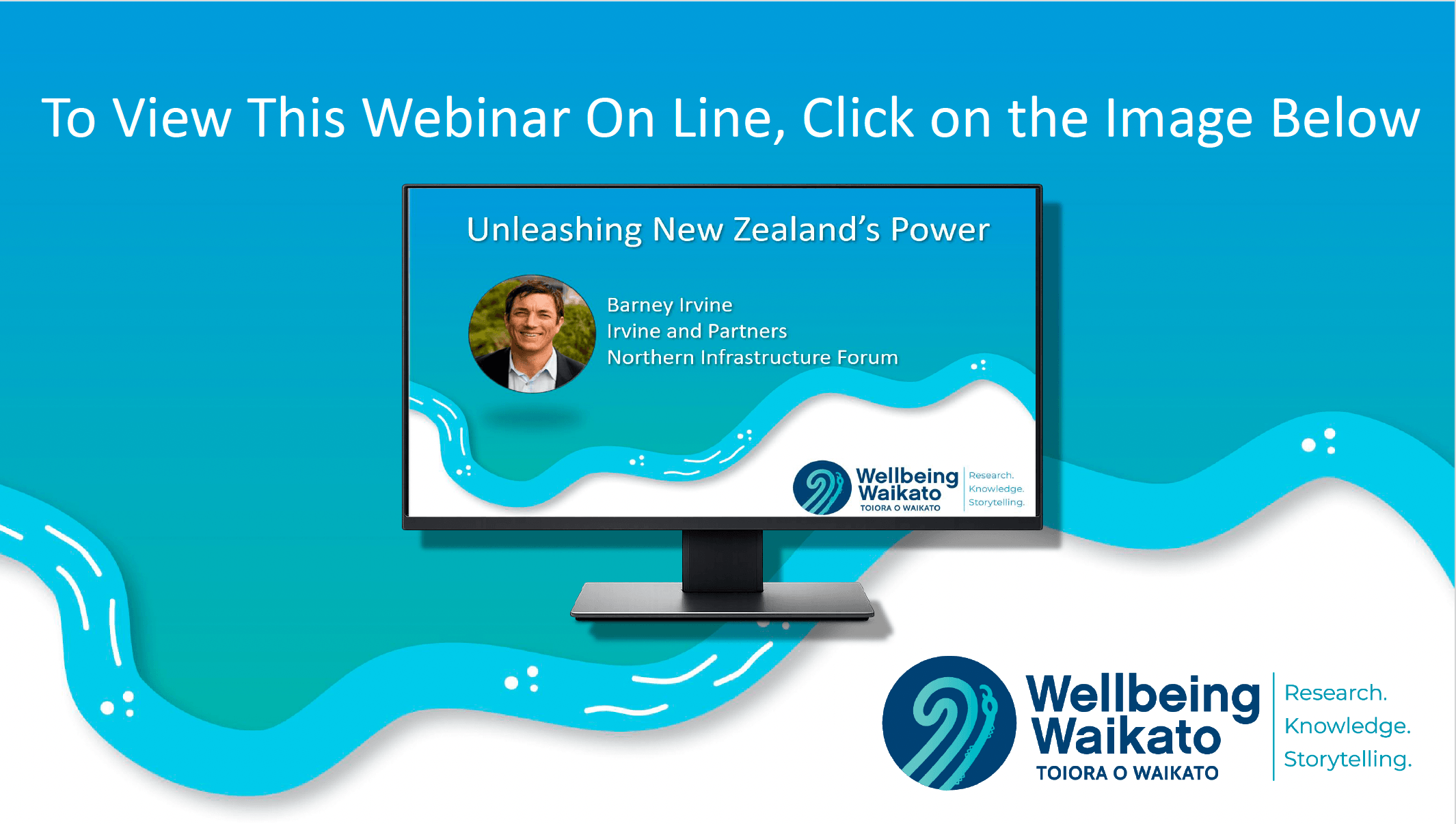
Webinar 2 September: Barney Irvine, Northern Infrastructure Forum
Webinar Recording
Webinar 2 September: Barney Irvine, Northern Infrastructure Forum
Slide Deck
Webinar 16 September: Rob Johnson Founder: Nau Mai Ra
Webinar Recording
Webinar 23 September: John Campbell, Our Energy
Webinar Recording
Webinar 30 September: Kelli Pike, Go Eco
Webinar Recording
Webinar 7 Oct: Larry Blair
Webinar Recording
14 October: Gareth Cartwright, Executive Officer: Community Energy Network
Webinar Recording
14 October: Gareth Cartwright, Executive Officer: Community Energy Network
Slide Deck